

-
What's Hotel FF&E Installation?
Views: 0 Author: Site Editor Publish Time: 2025-07-09 Origin: Site


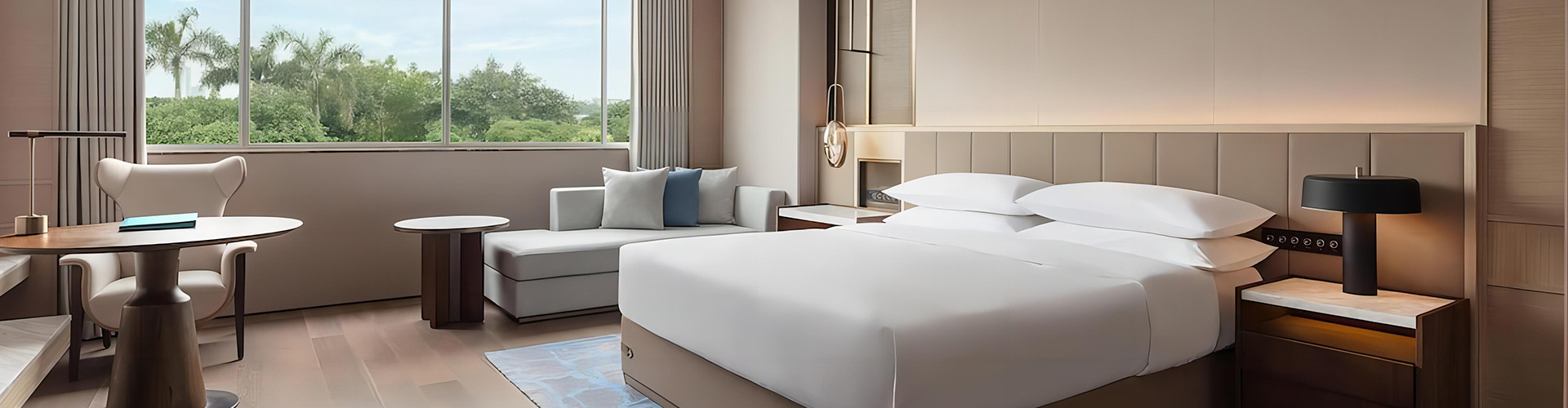
Have you ever wondered what makes a hotel feel welcoming and functional? It’s often the furniture, fixtures, and equipment (FF&E) that shape the guest experience.
Hotel FF&E plays a crucial role in creating both comfort and style, which directly impacts a hotel’s success.
In this post, we’ll explore what Hotel FF&E installation is, its importance, and what to expect during the installation process.
Understanding Hotel FF&E (Furniture, Fixtures, and Equipment)
What is Hotel FF&E?
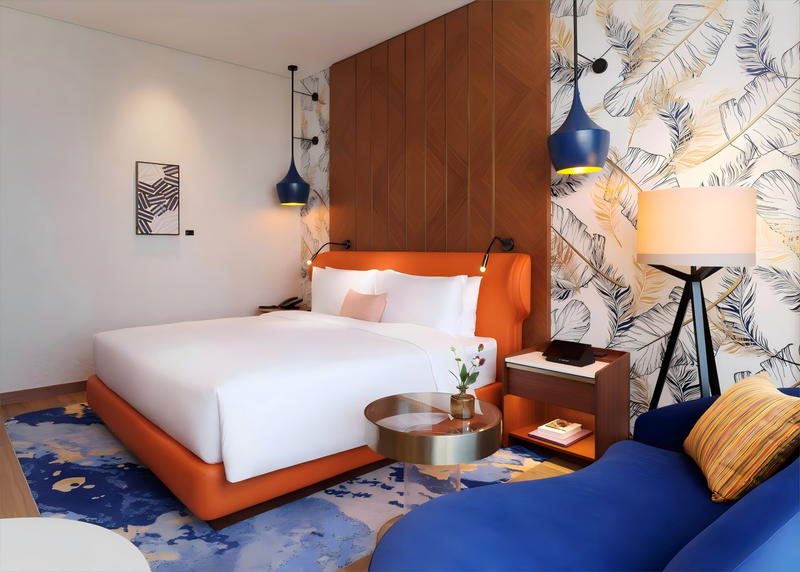
Hotel FF&E refers to the Furniture, Fixtures, and Equipment used to furnish and equip hotel spaces. It includes everything from beds and nightstands to lighting fixtures and in-room appliances.
Breaking Down FF&E
● Furniture: This is the movable, freestanding items such as beds, chairs, desks, and storage units like wardrobes.
● Fixtures: These are items fixed to the building, like lighting systems, sinks, and bathroom accessories.
● Equipment: Essential items for hotel operations, including TVs, mini-fridges, coffee makers, and fitness machines.
Examples of Each Component
● Furniture: Beds (single, double, king-sized), nightstands, chairs, desks.
● Fixtures: Chandeliers, recessed lighting, bathroom sinks, mirrors, faucets.
● Equipment: Televisions, refrigerators, coffee machines, fitness equipment like treadmills.
Why Hotel FF&E Matters for Hotels
Impact on Guest Comfort and Experience
FF&E choices play a direct role in guest satisfaction. Comfortable beds, well-lit rooms, and easy-to-use equipment make a guest’s stay more enjoyable. If furniture is ergonomic and functional, guests feel more at ease.
Influence on Hotel’s Aesthetic and Brand Identity
The FF&E in a hotel can shape the brand’s identity and appeal to its target audience. For example, modern, sleek furniture and minimalist lighting appeal to younger, trendy guests. On the other hand, classic, elegant furniture may attract guests seeking a more luxurious experience. The right FF&E can reinforce the overall atmosphere and enhance the hotel’s unique character.
The Importance of Hotel FF&E Installation
Enhancing the Guest Experience Through FF&E
Comfort and Functionality
Hotel FF&E directly impacts guest comfort. High-quality mattresses, ergonomic chairs, and well-placed desks make a huge difference in a guest's stay. When furniture is functional and comfortable, guests feel at ease. For instance, a luxurious mattress can help a guest get a good night’s rest, while ergonomic chairs ensure comfort during long hours of work or relaxation.
Design and Atmosphere
The right FF&E creates a welcoming atmosphere. Stylish, coordinated furniture and fixtures set the tone as soon as guests walk in. Imagine entering a hotel lobby where the furniture is not only visually appealing but also inviting. A well-designed lobby with elegant seating arrangements and statement lighting creates a lasting first impression. Similarly, in guest rooms, FF&E choices can enhance the room’s aesthetics, turning a simple space into a luxurious retreat.
The Role of FF&E in Hotel Branding
Consistency Across Multiple Properties
For hotel chains, maintaining consistency across properties is crucial. FF&E choices help create a unified experience for guests, whether they stay at one location or several. For example, consistent bed designs, lighting, and furniture across all properties reinforce the hotel’s brand identity. Guests can expect the same quality and style, whether they’re staying in a city or at a resort.
Differentiation in a Competitive Market
Unique FF&E setups help hotels stand out. In a crowded market, having distinctive, well-designed furniture can make a hotel memorable. Boutique hotels, for example, might choose custom-designed furniture to reflect the local culture, offering a more personalized experience. Hotels emphasizing sustainability might invest in eco-friendly FF&E, appealing to environmentally-conscious travelers. These thoughtful FF&E choices help hotels differentiate themselves and attract their target audience.
The Hotel FF&E Installation Process
Planning and Design for Hotel FF&E
Developing a Concept
The first step in the FF&E installation process is aligning the FF&E choices with the hotel’s brand and theme. Hotels must ensure their furniture, fixtures, and equipment reflect the overall look and feel they want to convey to guests. For instance, a luxury hotel may opt for high-end, custom-made furniture, while a budget-friendly hotel might choose simpler, functional options. The FF&E should also cater to the needs of the target audience, ensuring comfort, usability, and visual appeal.
Space Planning
Space planning is about organizing furniture and fixtures to maximize both aesthetics and functionality. It involves understanding how space is used in different hotel areas, such as guest rooms, lobbies, lounges, and dining areas.
Key Considerations in Space Planning
Effective space planning ensures a smooth guest experience. Room layouts should enhance guest comfort, offering enough space for movement while making everything easily accessible. Public areas, like lobbies and lounges, should be designed to manage traffic flow and accommodate high foot traffic. Functional room layouts are key to creating a positive first impression and improving hotel efficiency.
Procuring FF&E: Sourcing and Selecting Suppliers
Researching and Selecting Vendors
Once the concept is developed, hotels must identify and evaluate suppliers for FF&E. This process involves finding reliable vendors who can deliver quality products on time and within budget. Suppliers should offer a variety of options and be able to meet the hotel’s specific design requirements.
Negotiating Contracts and Bulk Deals
After choosing suppliers, it’s time to negotiate contracts. This ensures the hotel gets the best prices, terms, and warranties. Bulk purchases are common in FF&E procurement, so negotiating discounts for large orders is crucial. It’s important to have clear delivery schedules to avoid delays in the installation process.
Importance of Local vs. International Suppliers
When selecting suppliers, hotels should consider both local and international options. Local suppliers might offer faster delivery times and lower shipping costs. However, international suppliers might provide more unique or high-quality products. Balancing cost, quality, and shipping time is essential for selecting the right vendor.
Installation and Setup of FF&E
Receiving and Inspecting Delivered FF&E
Once the FF&E is delivered, the hotel must inspect it to ensure everything meets the agreed-upon specifications. This includes checking for any visible damage and verifying quantities. Products should be thoroughly checked before installation begins to avoid any surprises.
Handling Damaged or Incorrect Items
If any items are damaged or incorrect, it’s crucial to document the issue and notify the supplier immediately. Clear communication ensures that replacements or corrections are made promptly. Proper handling of issues helps maintain the project timeline and quality standards.
Coordinating Installation Teams
FF&E installation requires collaboration among various professionals. Carpenters, electricians, and plumbers work together to ensure seamless installation. Carpenters assemble and place furniture, electricians handle lighting installations, and plumbers focus on bathroom fixtures. It’s important for these teams to coordinate efficiently to minimize disruptions.
Key Roles in Installation
Each professional plays a vital role:
● Carpenters: Assemble and arrange furniture, ensuring everything fits the space properly.
● Electricians: Install and test lighting fixtures, ensuring they work correctly.
● Plumbers: Install and check plumbing fixtures like sinks, showers, and toilets to ensure proper functionality.
Quality Control and Testing of Installed FF&E
Inspection and Verification
Once the installation is complete, a thorough inspection is necessary. All furniture, fixtures, and equipment should be checked for proper installation. This includes ensuring that furniture is stable, lighting works, and plumbing fixtures are installed correctly.
Operational Testing
Operational testing is essential to ensure everything functions as expected. This involves testing things like TV remotes, refrigerators, and fitness equipment. The goal is to identify any malfunctioning items before guests arrive.
Guest-Related Testing
In addition to operational testing, guest-related testing is crucial. The hotel can simulate a guest’s experience by using the room's furniture, fixtures, and equipment. This allows the team to identify any potential issues that may affect the guest experience, such as uncomfortable seating or poorly functioning amenities.
Types of Furniture, Fixtures, and Equipment in Hotel FF&E
Furniture in Hotel FF&E Installation
Guest Room Furniture
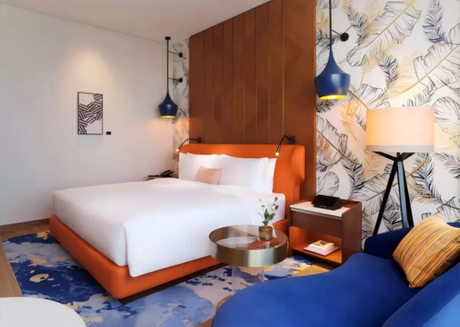
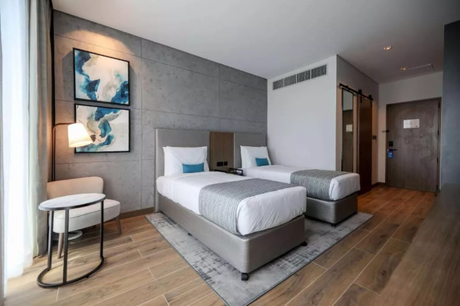
The furniture in guest rooms is essential for both comfort and style.
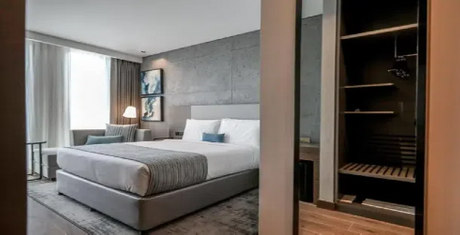
● Beds: A comfortable bed is the centerpiece of any room. Whether it’s a king-size or queen-size, the quality of the mattress and frame impacts sleep quality.
● Nightstands: Placed next to the bed, nightstands offer guests easy access to their belongings, from lamps to personal items.
● Desks and Chairs: Ideal for business travelers, desks need to be spacious enough to hold laptops and work materials. Ergonomic chairs support long hours of sitting.
● Storage Furniture: Dressers and wardrobes provide essential space for clothes and personal items, with built-in or freestanding options.
Each piece of furniture is carefully selected to ensure it enhances comfort and complements the room’s design.
Public Area Furniture
Public areas require furniture that balances style, comfort, and functionality.
● Sofas and Armchairs: Found in lounges, lobbies, and waiting areas, these seating options should be both inviting and durable.
● Tables and Coffee Tables: Strategically placed tables encourage socializing and provide guests a place to rest drinks or small items.
● Seating Arrangements: Whether it’s casual seating in a café or formal seating in a lobby, the arrangement plays a key role in shaping the ambiance.
Lobbies and Lounges
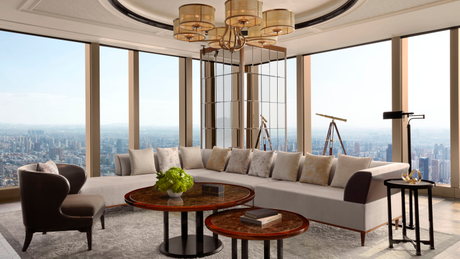
The lobby sets the first impression. Comfortable, stylish furniture in high-traffic areas like the lobby creates an inviting atmosphere for guests.
● Sofas, armchairs, and coffee tables are often chosen for both comfort and design.
● Materials: High-quality fabrics and finishes contribute to the luxurious feel of these spaces.
Dining Area Furniture
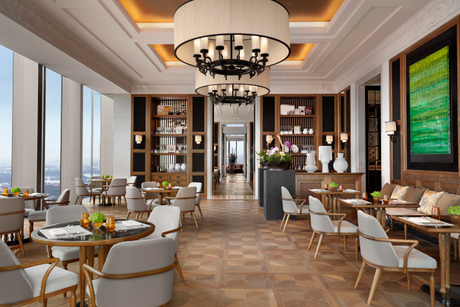
Restaurant and café furniture needs to align with the establishment’s ambiance, cuisine, and target demographic.
● Dining Tables and Chairs: In fine-dining restaurants, solid wood tables and high-back chairs add sophistication. In casual cafes, lightweight, flexible furniture may offer a relaxed vibe.
● Bar Furniture: Bar stools and lounge chairs are crucial for creating an engaging space for guests to relax.
Fixtures in Hotel FF&E
Lighting Fixtures
Lighting plays a huge role in creating the right mood.
● Bedside Lamps: Provide soft, intimate lighting for reading and relaxing.
● Chandeliers: Luxurious hotels often use chandeliers in public areas to add elegance.
● Pendant Lights and Track Lighting: Used in areas like lobbies and dining rooms, these fixtures help highlight specific areas, such as artwork or food displays.
Bathroom Fixtures
The bathroom’s fixtures should offer both luxury and practicality.
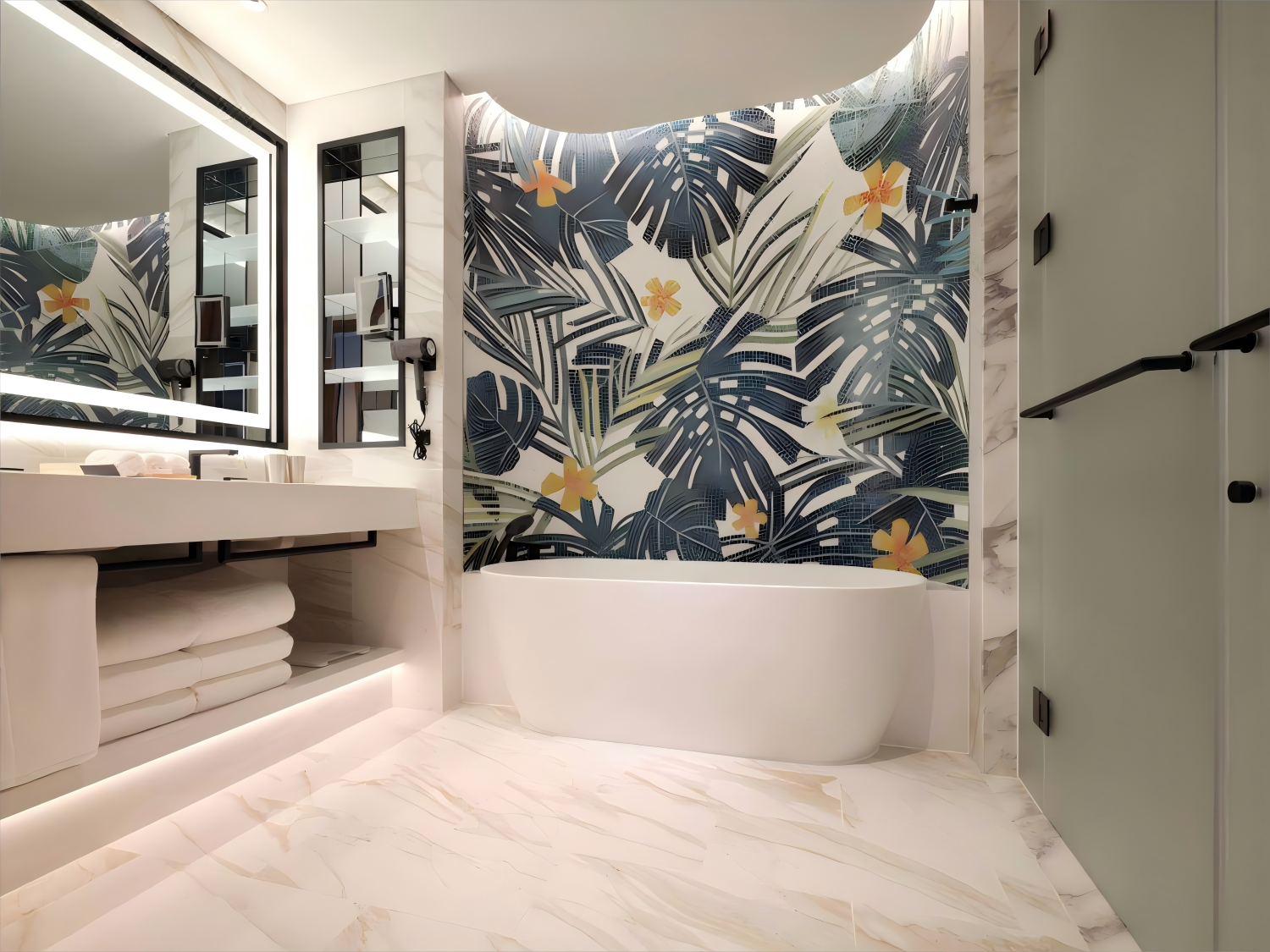
● Sinks and Faucets: Whether it’s a sleek undermount sink or a designer vessel sink, the faucet should match the room's aesthetic while offering functionality.
● Toilets and Bidets: Water-efficient models are becoming standard in many hotels.
● Showers and Bathtubs: From rain showers to freestanding bathtubs, these fixtures provide both relaxation and style.
Each fixture helps improve functionality while elevating the hotel's luxury standards.
Equipment in Hotel FF&E
Guest Room Equipment
Guest room equipment makes a stay more convenient and comfortable.
● Televisions: Smart TVs are now common, offering guests access to streaming services and other entertainment.
● Mini-Fridges: Allow guests to store snacks and drinks, making their stay more comfortable.
● Coffee Makers: In-room coffee machines are a must for most guests, whether they prefer a simple drip coffee maker or an advanced espresso machine.
● Safety Deposit Boxes: For security, guests can store valuables in lockable boxes, typically located in the room.
Operational Equipment
Behind the scenes, operational equipment ensures smooth hotel management.
● Kitchen Appliances: Commercial-grade stoves, ovens, refrigerators, and dishwashers are essential for food service.
● Laundry Equipment: Industrial washing machines and dryers ensure linens and towels are cleaned efficiently.
● Fitness Center Machines: Hotels offering fitness amenities need high-quality machines like treadmills, ellipticals, and weights.
These commercial-grade appliances ensure the hotel operates smoothly, supporting daily activities and guest services.
How Hotel FF&E Affects Hotel Costs and Revenue
Budgeting for FF&E Installation
Factors Affecting Cost
The cost of FF&E can vary significantly based on several factors, including quality, brand, and customization. High-end furniture and designer fixtures cost more, but they often contribute to a more luxurious guest experience. Custom-made pieces, such as unique furniture or specialized designs, will also increase costs. Hotels must balance their budget while selecting FF&E that aligns with their style and branding needs.
How FF&E Impacts Room Rates
Investing in high-quality FF&E can justify higher room rates. For example, premium mattresses, stylish furniture, and modern equipment enhance the overall guest experience, making it more likely that guests will pay a premium for their stay. A well-designed, comfortable room encourages guests to return and can even improve the hotel’s reputation, leading to higher occupancy and room rates in the long term.
Long-Term ROI from FF&E Installation
Durability and Maintenance
High-quality FF&E might come with a higher initial cost, but it can save money in the long run. Durable, well-made furniture and fixtures are less likely to break down or need frequent replacements. For instance, choosing sturdy, high-end mattresses or durable seating can reduce the frequency of repairs, lowering long-term maintenance costs.
Increasing Guest Satisfaction and Loyalty
FF&E choices directly impact guest satisfaction. Comfortable and stylish rooms enhance the overall experience, leading to higher satisfaction levels. Happy guests are more likely to return and recommend the hotel to others. This can boost repeat business, increase customer loyalty, and improve reviews, all of which positively affect revenue. Hotels that invest in high-quality FF&E that lasts will see the benefits of improved guest experiences, ultimately enhancing their reputation and profitability.
Competitor Analysis in Hotel FF&E
How Competitors Approach FF&E Installation
Comparing Furniture Styles
Hotels often select FF&E based on the style they want to portray and the guests they want to attract. Some hotels favor modern designs with sleek, minimalist furniture, aiming to appeal to younger, design-conscious travelers. Others prefer traditional or ornate designs to cater to guests seeking elegance and classic luxury. The choice of FF&E is directly tied to the hotel's market positioning and demographic.
Differences in Fixture and Equipment Choices
Fixtures and equipment can differ greatly across hotels. Lighting choices might vary from energy-efficient LED lights in budget hotels to crystal chandeliers in luxury hotels. Similarly, bathroom fixtures can range from standard models in economy hotels to designer sinks and bathtubs in higher-end properties. In-room technology like smart TVs, voice-activated controls, and high-end coffee machines can further differentiate hotels based on their target market.
How Competitors Differentiate Themselves
To stand out in a competitive market, many hotels use unique FF&E setups. Boutique hotels may choose custom furniture to reflect local culture, giving guests a unique experience. Sustainability is also a growing trend. Hotels are investing in eco-friendly FF&E, such as furniture made from recycled materials, appealing to environmentally-conscious travelers. These distinct choices help hotels set themselves apart from competitors.
Pricing Strategies for Hotel FF&E
Cost-Based Pricing vs. Value-Based Pricing
Hotels often use two main strategies for pricing FF&E: cost-based pricing and value-based pricing. In cost-based pricing, hotels calculate the total cost of FF&E procurement, installation, and maintenance, adding a markup to cover expenses and ensure profitability. Value-based pricing, on the other hand, sets prices based on the perceived value of the FF&E to guests. Luxury hotels may opt for high-end FF&E, allowing them to charge higher room rates. This approach focuses on maximizing the guest experience, which can lead to higher profits.
After-Sales Service and Installation Speed
Post-Installation Support
Reliable after-sales service is crucial in maintaining the quality of FF&E. Suppliers that offer strong post-installation support ensure that any issues, such as damaged items or malfunctioning equipment, are resolved quickly. This helps hotels minimize disruptions and maintain a high level of guest satisfaction.
Warranties and Maintenance Contracts
Many hotels secure warranties and maintenance contracts for FF&E. These agreements provide peace of mind, ensuring that if items need repairs or replacements, the hotel isn’t burdened with extra costs. Maintenance contracts can include regular check-ups, reducing the risk of unexpected breakdowns.
Efficiency of FF&E Installation
The speed of FF&E installation is another key factor. Hotels that have efficient installation processes can reduce downtime during renovation or new property setup. Fast installation ensures that hotels can open or reopen sooner, which can have a significant impact on their ability to generate revenue. Fast, professional installations also minimize disruption to ongoing operations.
Challenges and Considerations in Hotel FF&E Installation
Common Challenges Hotels Face with FF&E Installation
Delays and Budget Overruns
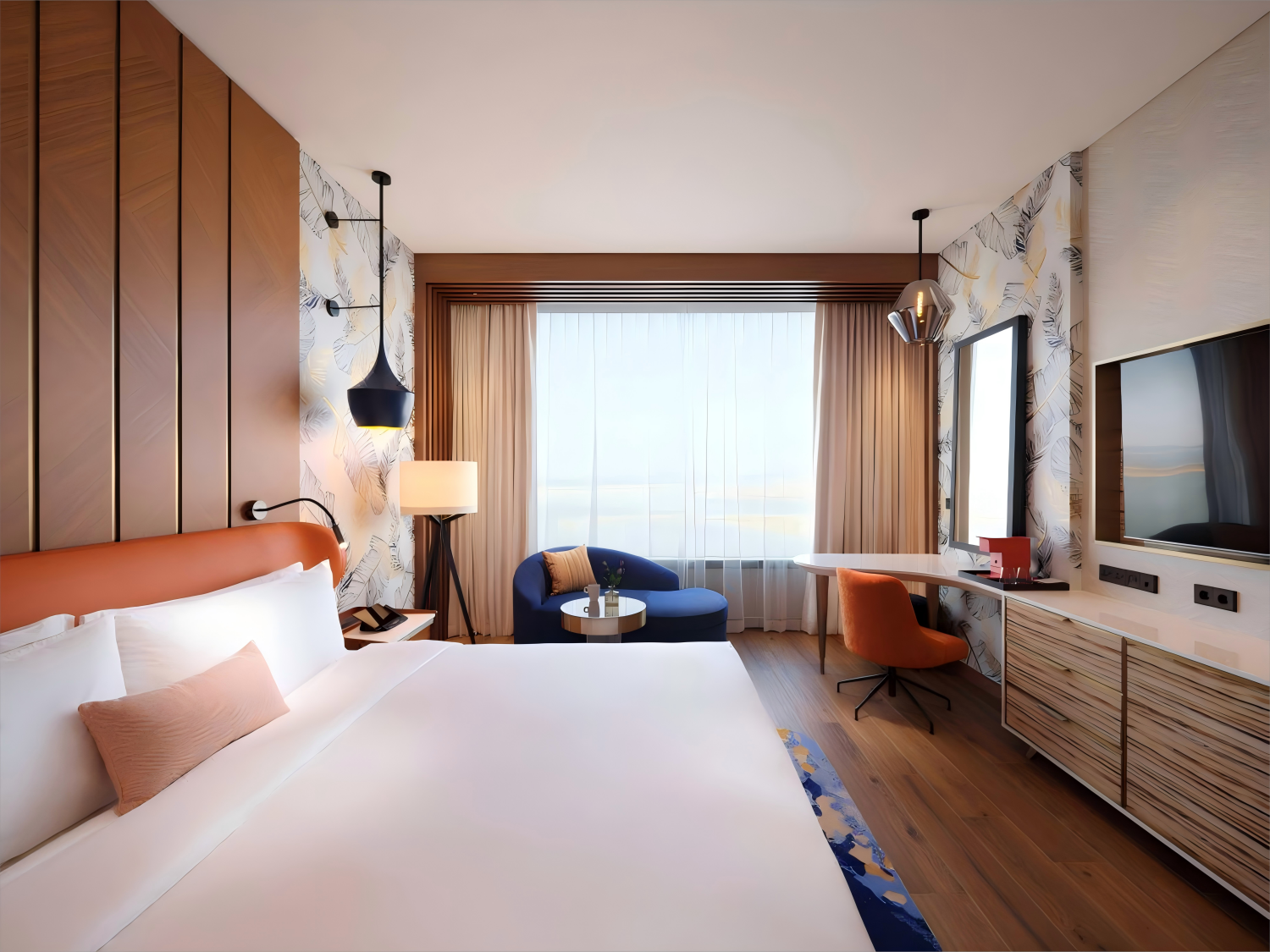
One of the biggest challenges in FF&E installation is managing delays and budget overruns. These issues can arise from supply chain disruptions, unforeseen design changes, or delays in shipping. To avoid these problems, it's essential to have a clear timeline and a contingency budget. Regular communication with suppliers and installation teams can help keep things on track and prevent costly delays.
Choosing Between Custom and Pre-Designed FF&E
Hotels often face the decision of whether to choose custom or pre-designed FF&E. Custom FF&E allows hotels to create unique, brand-specific designs, but it often comes at a higher price. Pre-designed options are generally more cost-effective but may lack the personal touch. Balancing cost efficiency and brand uniqueness is key to making the right decision.
Advantages of Custom FF&E
Custom FF&E offers several advantages, particularly in reflecting a hotel's brand identity. Tailor-made items, like unique furniture or fixtures, can create a memorable experience for guests and set the hotel apart from competitors. Custom pieces often help convey the hotel’s personality, whether it’s luxurious, modern, or eco-friendly, enhancing the overall guest experience.
Managing Multiple Deliveries and Installations
Coordinating multiple deliveries and installations can be tricky. FF&E components, such as furniture, lighting, and fixtures, often arrive at different times, which can create logistical headaches. To manage this, hotels need to carefully plan delivery schedules and work closely with suppliers to ensure everything arrives on time. A detailed installation plan is crucial to prevent delays and disruptions during setup.
Sustainable Practices in FF&E Installation
Eco-Friendly Materials and Practices
Sustainability is becoming increasingly important in FF&E installation. Many hotels are choosing eco-friendly materials like recycled wood, bamboo, or sustainable fabrics for their furniture. Incorporating these materials not only helps reduce environmental impact but also attracts eco-conscious travelers. Using energy-efficient lighting and fixtures made from sustainable resources can also contribute to a hotel’s green credentials.
Energy-Efficient Fixtures and Equipment
The trend toward energy-efficient fixtures and equipment is growing in the hotel industry. Hotels are installing LED lighting, energy-saving appliances, and low-flow water fixtures to reduce their energy consumption. Not only does this help hotels lower operating costs, but it also appeals to guests who value sustainability. Energy-efficient FF&E choices can have a lasting positive impact on the hotel’s environmental footprint.
Conclusion
Smart and High-Tech FF&E is becoming increasingly popular. Hotels are integrating smart technology like smart TVs and lighting systems to improve guest experiences and operational efficiency.
Sustainability and Innovation are also driving trends in FF&E choices. Hotels are using eco-friendly materials and energy-efficient fixtures to reduce their environmental impact.
Key Takeaways
Investing in quality FF&E installation is essential for hotel success. It enhances guest experience, strengthens brand identity, and boosts revenue.
Related Articles-
What Is Contract Grade Furniture
20 August,2025 -
 20 August,2025
 -
What's The Average Size of A Banquet Table?
20 August,2025 -
 20 August,2025
 -
Top 5 Banquet Furniture Manufacturers in The World
20 August,2025 -
The Timeless Charm of Bentwood Chairs in Hospitality Design
20 August,2025 -
How to Choose the Suitable Hotel Lobby Furniture
09 August,2025 -
Veneer vs. Laminate: Key Differences and Which to Choose
06 August,2025 -
What's Hotel FF&E Installation?
09 July,2025 -
What Is Hospitality Furniture And Why It Matters for Hotels
08 July,2025

-


