

-
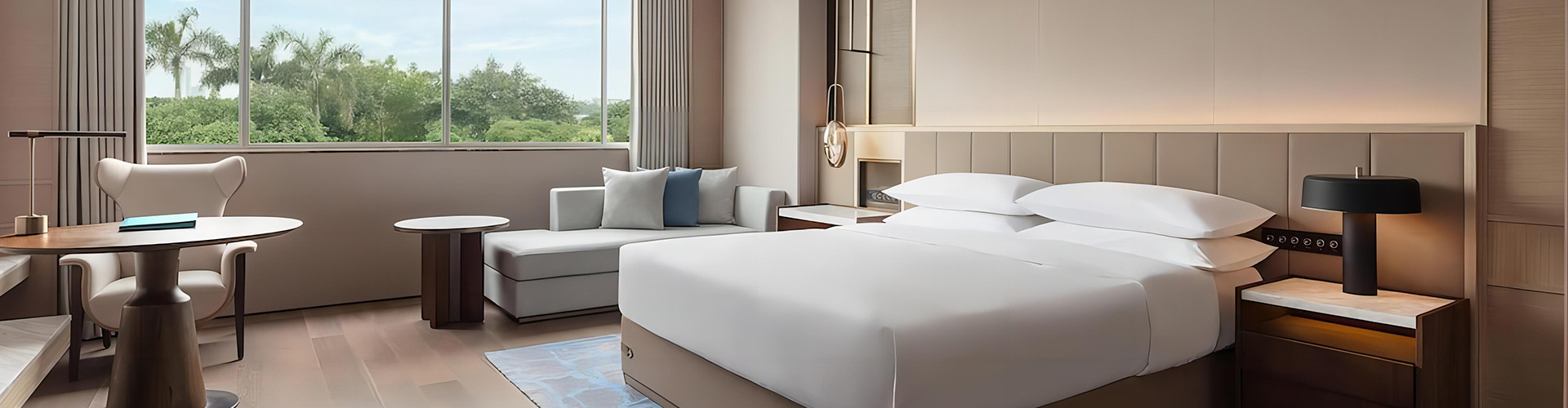
Modern Hotel Lobby Design
Views: 0 Author: Site Editor Publish Time: 2025-08-20 Origin: Site


The lobby is the first thing guests experience when they arrive at a hotel. It plays a huge role in setting the tone for their stay. A well-designed lobby can make a lasting impression, while a poorly designed one can turn guests away.
In this article, we’ll explore why modern hotel lobby design is crucial for guest satisfaction and how it reflects the hotel’s brand. You’ll learn key trends and strategies that can elevate your hotel lobby and enhance the guest experience.
Key Elements of Modern Hotel Lobby Design
The Role of Space and Layout in Modern Hotel Lobby Design
Layout is crucial in hotel lobby design. It impacts guest flow, comfort, and overall experience. A well-planned space helps guests feel welcome and allows for easy movement.
Space planning affects how guests navigate the lobby. It's essential to consider how guests approach the reception, find seating, or access amenities.
Two popular layout styles are open concept and segmented zones. The open concept creates a welcoming, expansive feel, while segmented zones define areas for different activities like seating or reception. Each layout style offers unique benefits, depending on the hotel and available space.
Creating seamless flow from the entrance to check-in is vital. The path should feel natural, guiding guests smoothly from one area to another. Placing the reception desk centrally allows easy access, while seating and amenities should not block movement.

Hotel Lobby Decor: Aesthetic Considerations
A modern hotel lobby is not just functional; it’s an opportunity to express the hotel’s identity and make a lasting impression. Key decor elements such as color schemes, textures, and furniture choices set the tone for the lobby.
Soft neutrals like beige and grey create a calm atmosphere, while bold accents in colors like blue or red add energy and character. Mixing textures, like plush seating with smooth surfaces, creates balance and visual interest.
Furniture is essential in lobby design. Comfortable seating invites guests to relax, while functional pieces like tables and storage ensure practicality. Selecting pieces that fit the hotel’s overall aesthetic is key.
Lighting plays a major role in shaping the lobby's mood. Ambient lighting creates a warm, welcoming feel, while task lighting highlights functional areas like the reception desk. Accent lighting can emphasize artwork or focal points like fireplaces.
Natural light is also crucial. Large windows or skylights bring sunlight into the space, creating an open, airy atmosphere. This adds to the overall guest experience, making the lobby feel bright and inviting.
Trends in Modern Hotel Lobby Design
Minimalism and Functionality: The Trend of the Year
Minimalist hotel lobby design focuses on clean lines, simple furniture, and an uncluttered look. The goal is to create a serene and welcoming space that feels modern but not overcrowded.
The benefits of minimalism are clear. A simple design enhances the feeling of space, making the lobby feel less cramped. It promotes a calming atmosphere that encourages relaxation and a smoother guest experience.
Simplicity also improves flow and functionality. Guests can easily navigate through the space without distractions. The clear layout makes the lobby more efficient and user-friendly, ensuring guests quickly find what they need.
Biophilic Design in Hotel Lobbies
Biophilic design is the practice of incorporating nature into the built environment. In hotel lobbies, this means adding plants, natural light, and even water features to the space.
Biophilic design has several benefits. It creates a calming, inviting environment, making guests feel connected to nature. It also has psychological and physical benefits, such as reducing stress and improving air quality. Integrating natural elements can make a hotel feel more refreshing and soothing.
Tech Integration in Hotel Lobby Design
Technology is playing a bigger role in hotel lobbies than ever before. Interactive kiosks and self-check-in desks are becoming standard, allowing guests to check in without waiting in line.
Smart concierge services and digital displays are also on the rise. These innovations make it easier for guests to access information about hotel amenities and local attractions. Technology in the lobby can improve guest satisfaction by enhancing their overall experience.
Functionality Meets Style: How to Design a Hotel Lobby That Works
Creating Comfortable and Welcoming Spaces for Guests
Comfort is key in any hotel lobby. Furniture and seating should be ergonomic, ensuring guests feel relaxed as soon as they enter. Comfortable chairs, sofas, and seating arrangements allow guests to unwind and feel at home. It’s also important to balance style with function, creating a space that’s both beautiful and practical.
Making guests feel welcome is essential. A warm, inviting atmosphere can make a big difference. Thoughtful design, like placing seating areas in welcoming spots, and ensuring the space feels cozy, can help guests feel immediately relaxed and appreciated.
What is the Role of Communal Areas in Modern Hotel Lobby Design?
Communal areas are increasingly popular in hotel lobbies. Spaces like lounges, cafes, and co-working areas offer a place for guests to connect or work. These areas cater to different needs, from business travelers looking for a productive environment to guests looking to socialize.
Incorporating these social spaces into the lobby helps create a sense of community. Guests can relax, meet others, or even get some work done without leaving the hotel. A well-designed communal area adds functionality and enhances the overall guest experience.
Incorporating Local Culture and Identity into Hotel Lobby Interiors
Incorporating local culture into hotel lobby interiors makes a space feel more authentic and connected to its surroundings. Highlighting local artwork, using materials from the region, or featuring cultural elements in the decor can help tell the story of the area.
This approach enhances the guest experience by fostering a sense of place. Guests will feel more connected to the location and appreciate the unique design elements. It also helps create a memorable experience that stands out.
Sustainable Practices in Modern Hotel Lobby Design
Eco-Friendly Materials and Design Choices
Sustainability is becoming a major focus in hotel lobby design. Eco-friendly materials, like recycled furniture and energy-efficient lighting, can be seamlessly integrated into the space. These choices not only reduce the hotel’s environmental footprint but also appeal to eco-conscious travelers who value sustainability.
Using sustainable materials, such as bamboo, reclaimed wood, or eco-friendly fabrics, can create a stylish yet environmentally responsible lobby. Energy-efficient lighting, such as LED bulbs, helps reduce energy consumption, making the hotel more energy-efficient without sacrificing design.
Green practices are key to attracting today’s environmentally aware travelers. Many guests now consider sustainability when choosing where to stay. A hotel lobby that reflects a commitment to the environment shows that the hotel cares about both the guest experience and the planet.
Greenery and Sustainability: The Role of Plants in Hotel Lobby Decor
Plants play a significant role in modern hotel lobby design, offering both aesthetic appeal and health benefits. Adding greenery to the space can improve the overall atmosphere, making the lobby feel more inviting and vibrant.
The benefits of plants go beyond beauty. Indoor plants help improve air quality by filtering toxins and releasing oxygen. They also create a calming environment, reducing stress and enhancing the guest experience.
When selecting plants for the lobby, consider low-maintenance varieties like succulents, ferns, or pothos. These plants thrive indoors and require minimal care. Incorporating plants into the lobby design brings nature inside, making the space feel more connected to the natural world.
Conclusion
Modern hotel lobby design focuses on aesthetics, functionality, and guest experience. It’s essential to create a space that is both beautiful and practical.
A well-designed lobby not only enhances the guest experience but also strengthens the hotel’s brand and reputation. Never overlook the power of a thoughtfully crafted lobby—it plays a crucial role in shaping lasting impressions.
FAQ
Q: Why is modern hotel lobby design important?
A: Modern hotel lobby design plays a key role in creating a positive first impression, enhancing guest experience, and reinforcing the hotel's brand identity.
Q: How can eco-friendly materials be used in hotel lobby design?
A: Eco-friendly materials like recycled furniture, bamboo, and energy-efficient lighting help reduce environmental impact while creating a stylish, sustainable space.
Q: What role do plants play in hotel lobby decor?
A: Plants improve air quality, add aesthetic appeal, and create a calming, inviting atmosphere for guests.
Related Articles-
What Is Contract Grade Furniture
20 August,2025 -
 20 August,2025
 -
What's The Average Size of A Banquet Table?
20 August,2025 -
 20 August,2025
 -
Top 5 Banquet Furniture Manufacturers in The World
20 August,2025 -
The Timeless Charm of Bentwood Chairs in Hospitality Design
20 August,2025 -
How to Choose the Suitable Hotel Lobby Furniture
09 August,2025 -
Veneer vs. Laminate: Key Differences and Which to Choose
06 August,2025 -
What's Hotel FF&E Installation?
09 July,2025 -
What Is Hospitality Furniture And Why It Matters for Hotels
08 July,2025

-


