

-
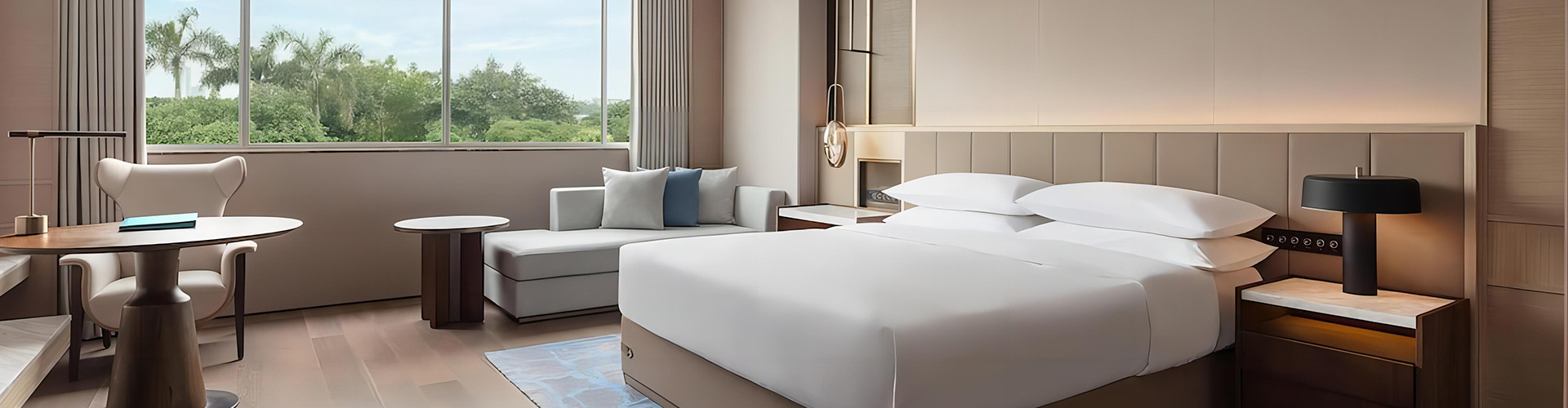
What Is A Boutique Hotel?
Views: 0 Author: Site Editor Publish Time: 2025-07-07 Origin: Site


Are you looking for a unique and personalized travel experience? Boutique hotels offer just that. Unlike large hotel chains, boutique hotels focus on small-scale, customized services that cater to individual needs.
In this post, we’ll explore what makes boutique hotels stand out. You’ll learn about their defining characteristics and why they’ve become a popular choice for travelers seeking something special.
Defining a Boutique Hotel
What is a Boutique Hotel?
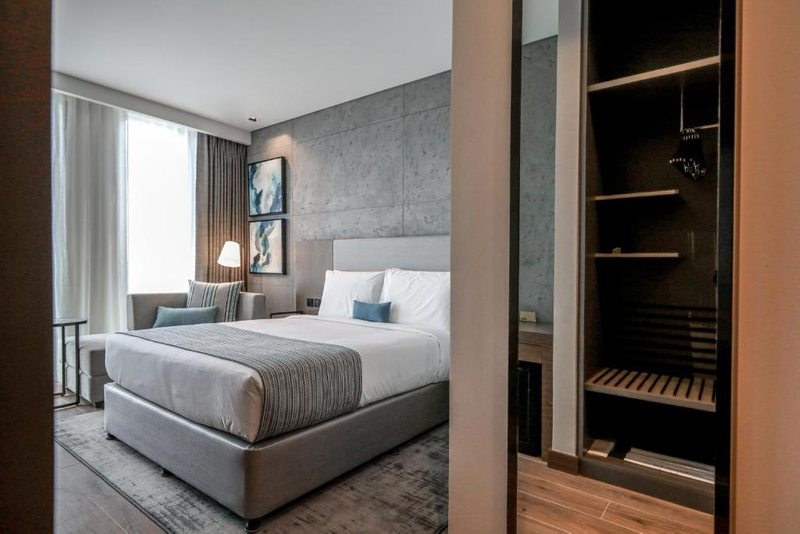
A boutique hotel is a small-scale, personalized accommodation option. Typically, these hotels have fewer than 100 rooms, providing an intimate atmosphere. The focus is on offering individualized service that larger hotel chains often can’t match.
These hotels differ from larger chains in several ways. Boutique hotels emphasize personalized service, unique design, and an intimate ambiance. While chain hotels are known for standardization, boutique hotels offer a more tailored experience, reflecting the local culture and personality of the area.
Historically, boutique hotels emerged as a response to the impersonal and standardized nature of large hotel chains. As travelers began seeking more authentic and personalized experiences, boutique hotels filled the gap by offering something distinctive.
Why Choose a Boutique Hotel?
Choosing a boutique hotel means enjoying a more personalized travel experience. The service is often tailored to your preferences, and the atmosphere is unique to each property.
One of the biggest advantages is the personal attention guests receive. Smaller hotel sizes allow the staff to get to know you by name, anticipate your needs, and create a welcoming environment.
Many boutique hotels emphasize local connections, showcasing local art, food, and culture. This focus on authenticity provides a richer experience compared to chain hotels, which may have more generic offerings.
Exclusive amenities like spa treatments, yoga classes, and art workshops further differentiate boutique hotels from larger chains. These unique offerings create memorable experiences that are hard to find in standard hotels.
Key Features of Boutique Hotels
Size and Intimacy
Boutique hotels are small, typically having fewer than 100 rooms. This small scale helps create a more intimate experience, where guests feel more connected to the space.
The size allows for highly personalized service. Staff can take the time to remember guests' names and preferences, offering a level of care that larger hotels often can't provide.
The room count is significant—fewer rooms mean less crowding and more attention to detail. It also gives boutique hotels the ability to forge stronger, long-term relationships with guests, turning a one-time stay into a memorable experience.
Unique Design and Aesthetic
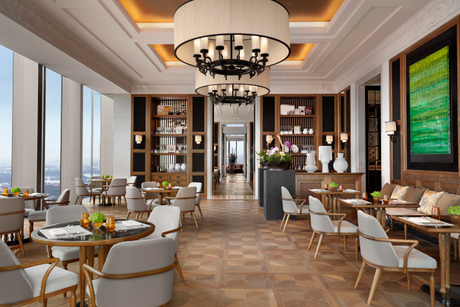
One of the defining features of boutique hotels is their distinctive design. You might encounter anything from minimalist and modern styles to rooms inspired by the area’s historical architecture. The variety ensures there’s something for every guest’s taste.
Interior design is often customized to reflect the local culture, bringing the uniqueness of the surrounding community into the hotel. Whether it’s local art or regional furniture, these elements add depth and personality to the space.
The design of a boutique hotel isn’t just for looks; it’s meant to create an atmosphere that guests remember. Many hotels incorporate local art or preserve historical architecture, enhancing the overall guest experience and helping them connect to the place.
Location and Local Connections
Boutique hotels often prioritize cultural immersion, offering guests a genuine connection to the local community. Whether it’s recommendations for hidden gems or access to local events, they aim to provide an authentic travel experience.
Local sourcing is another big plus. Many boutique hotels work with nearby businesses to provide local food, beverages, and products. This supports sustainability and helps the hotel stay true to the region’s culture.
Finally, boutique hotels tend to offer unique experiences off the beaten path. Unlike larger hotels that follow general tourist guides, boutique hotels often recommend activities and attractions that reflect the true character of the area. These special touches create lasting memories for travelers.
Types of Boutique Hotels
Urban Boutique Hotels
Urban boutique hotels are located in the heart of city centers. They offer easy access to attractions, shops, and restaurants, making them perfect for travelers looking to explore the city’s vibrant culture.
These hotels provide a unique local experience, giving guests a taste of the city’s character through art, food, and design. The design is often avant-garde, reflecting the city's modern culture or rich history, creating a memorable urban escape.
In addition to their charm, urban boutique hotels are known for their distinctive design elements. They might feature contemporary art pieces or even historical architectural details that highlight the uniqueness of the city.
Resort Boutique Hotels
Resort boutique hotels are perfect for those seeking relaxation and luxury in a secluded or beachside setting. These hotels offer guests an escape from the hustle and bustle, focusing on providing a peaceful, immersive experience.
Wellness is a significant part of the resort experience, with amenities like spas, yoga classes, and wellness centers designed to help guests unwind and recharge. Many resort boutique hotels also offer exclusive experiences, such as private beach access, hiking tours, and personalized wellness packages.
The design of resort boutique hotels is centered around tranquility. They create environments where guests can fully disconnect, relax, and rejuvenate in a setting designed for relaxation and enjoyment.
Historic Boutique Hotels
Historic boutique hotels are set in buildings with rich heritage, either housed in historical landmarks or designed to reflect the area’s past. These hotels bring history to life through their unique architecture, decor, and stories.
The architectural features of historic boutique hotels preserve the beauty of the past while integrating modern comforts. Guests are often surrounded by art and designs that pay homage to the history of the building or location.
These hotels offer more than just a place to stay—they immerse guests in history. Many historic boutique hotels provide a deeper connection to the culture and heritage of the area, creating an authentic, memorable experience.
Boutique Hotel Amenities and Services
High-End Amenities in Boutique Hotels
Boutique hotels often provide luxury and comfort through their exceptional amenities. Many feature spas, gourmet dining, and personalized services designed to create a memorable stay.
Guests at boutique hotels also enjoy exclusive experiences. These might include access to local events, private tours, or activities tailored to individual preferences.
Unique offerings like art workshops, wine tastings, or cooking classes set boutique hotels apart. These activities give guests the opportunity to explore local culture in a creative way.
Wellness is another key feature. Many boutique hotels offer on-site yoga classes, fitness programs, and holistic treatments designed to meet the personal needs of each guest.
Personalized Guest Services
One of the highlights of boutique hotels is the exceptional level of service. Staff are trained to anticipate guests' needs, often exceeding expectations.
Guests at boutique hotels are treated like individuals. The personalized service extends to interactions on a first-name basis, ensuring a comfortable, familiar atmosphere.
Custom requests are common. Whether it's arranging a private chef or booking a personalized tour, boutique hotels are known for their flexibility in meeting guest desires.
Since boutique hotels often rely on repeat customers, guest satisfaction is crucial. They focus on creating lasting relationships, ensuring every guest feels valued and well cared for.
Exceptional Room Features
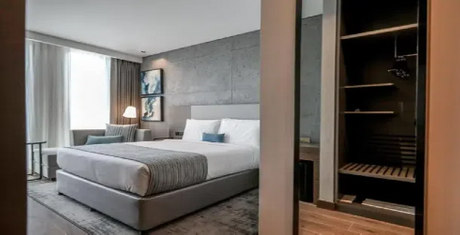
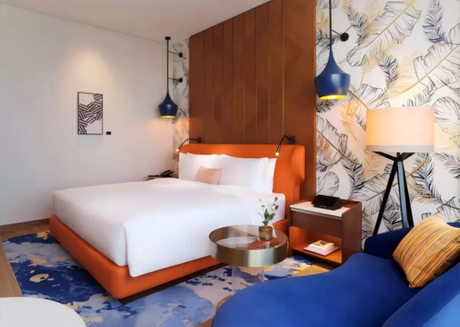
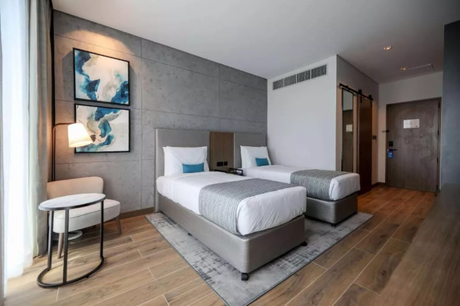
The rooms in boutique hotels are designed to offer both luxury and comfort. Each room is uniquely styled, featuring high-quality furniture such as plush beds, elegant dressers, and functional nightstands.
Technology and comfort are central to the experience. Rooms often come with state-of-the-art amenities like fast Wi-Fi, smart TVs, and modern bathroom features, enhancing the guest's stay.
Every detail matters in boutique hotel rooms. From the plush beds to the full-length mirrors, each element is carefully chosen to create an inviting and aesthetically pleasing space.
Market Trends in Boutique Hotels
Growth and Popularity of Boutique Hotels
The boutique hotel market is growing rapidly. Travelers are increasingly drawn to these unique, small-scale properties for a more personalized experience.
Modern travelers prefer authentic, one-of-a-kind stays over the generic offerings of large hotel chains. Boutique hotels provide the chance to connect more deeply with the destination, offering personalized service and distinct atmospheres.
Even in the wake of the pandemic, boutique hotels showed resilience. Many managed to maintain higher occupancy rates compared to larger chains by adapting quickly to new traveler needs.
Globally, boutique hotels are expanding. More investors are putting money into creating customized, niche properties, reflecting the ongoing demand for boutique stays.
Niche Markets and Specialization
Boutique hotels are increasingly targeting specific demographics. Whether it’s pet-friendly accommodations, wellness retreats, or hotels designed for digital nomads, there’s a growing range of specialized boutique options.
To stand out in a competitive market, boutique hotels focus on offering niche experiences. They cater to guests looking for something beyond the traditional hotel stay, such as eco-conscious resorts or wellness-focused accommodations.
Examples of these specialized boutique hotels include pet-friendly locations, resorts designed for wellness-focused vacations, or properties that prioritize sustainability and green practices. These tailored experiences give guests a unique reason to choose boutique hotels over larger chains.
Furthermore, boutique hotels are increasingly catering to special interests. They offer experiences like personalized wellness packages or pet-friendly amenities, making them ideal for travelers with specific needs or preferences.
The Guest Experience at Boutique Hotels
Personalized Service and Customer Satisfaction
Boutique hotels excel in creating a personal connection with their guests. Staff take the time to build relationships, getting to know each guest’s name and preferences. This personal touch helps make every stay memorable.
The level of service at boutique hotels is often unmatched. Attention to detail is key, whether it’s anticipating your needs or offering recommendations that align with your interests. It’s this care and thoughtfulness that set boutique hotels apart from larger chains.
Every guest is treated like a VIP. Personalized touches, such as remembering past preferences or celebrating special occasions, make guests feel valued and appreciated, resulting in a unique and customized experience.
Reviews and Reputation of Boutique Hotels
In the digital age, online reviews play a significant role in shaping a boutique hotel’s reputation. Positive feedback from guests can build trust and encourage new bookings.
Boutique hotels thrive on word-of-mouth marketing. Satisfied guests often become repeat customers or share their experiences, influencing potential visitors. This reliance on positive testimonials is a key difference between boutique hotels and larger brands.
Guest feedback is vital. Boutique hotels actively listen to their customers and refine their services based on this input, ensuring that every guest’s stay is better than the last.
Value for Money
Boutique hotels offer great value by providing a unique blend of services, aesthetics, and experiences. While the price may be higher than standard hotels, the value lies in the personalized attention and tailored experiences offered.
Many travelers consider boutique hotels worth the extra cost. The high level of service, luxury amenities, and attention to detail create an experience that feels special.
Additionally, boutique hotels often include perks such as spa treatments, private tours, or gourmet dining packages, which enhance the overall value of your stay, making it well worth the price.
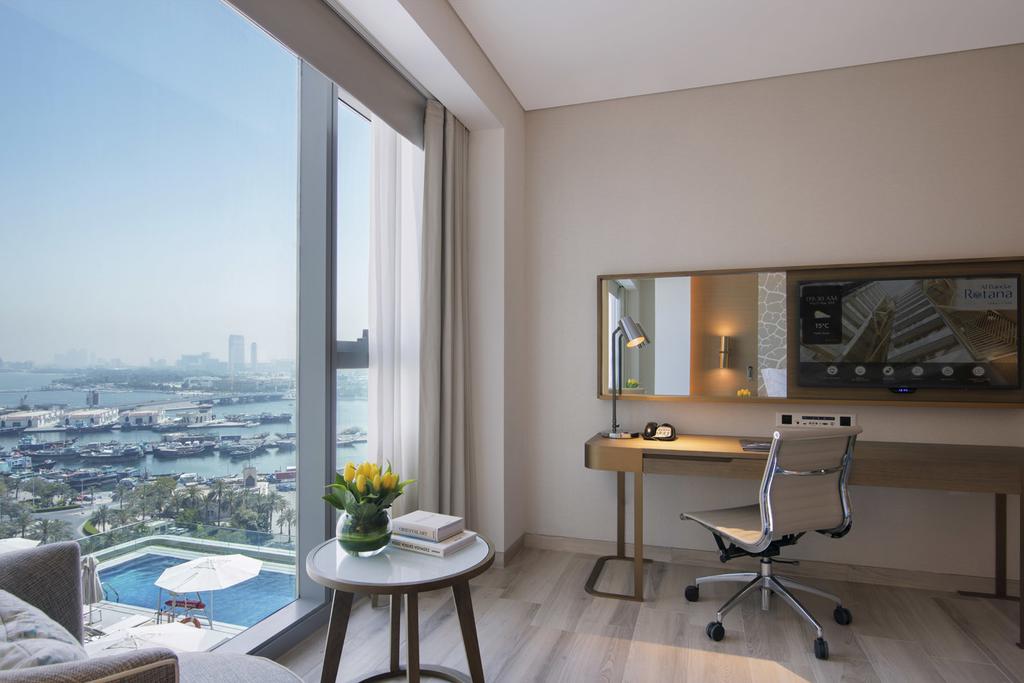
How to Choose the Right Boutique Hotel for Your Trip
Factors to Consider When Booking a Boutique Hotel
Location: One of the first things to consider is the location of the boutique hotel. Are you looking for easy access to attractions and restaurants, or do you prefer a peaceful, secluded setting? A boutique hotel can be found in both bustling city centers and serene countryside locations.
Amenities and Services: Make sure to check what amenities are offered. Look for luxury features like spas, gourmet dining, or personalized experiences like private tours. Boutique hotels often provide unique offerings, such as art workshops or exclusive access to local events.
Budget and Value: While boutique hotels can be pricier than standard hotels, it’s important to find one that fits your budget. Many offer exceptional value, especially with their unique services, personalized care, and luxurious touches that larger chains can’t match.
What to Expect During Your Stay at a Boutique Hotel
The Check-in Process: From the moment you arrive, boutique hotels offer personalized service. You’ll likely be greeted by name and made to feel like a VIP, with a smooth check-in process that sets the tone for a relaxing stay.
Room Experience: Expect high-quality décor, unique furnishings, and comfort. Rooms in boutique hotels often reflect the personality of the hotel and the local culture. Luxury amenities like plush bedding and state-of-the-art technology will make you feel at home.
Service Excellence: Boutique hotels excel at guest satisfaction. Staff are attentive, often going above and beyond to meet your needs. Whether it’s remembering your preferences or offering personalized recommendations, service is always a top priority.
Conclusion
Why Boutique Hotels Are the Future of Hospitality
Boutique hotels are growing in popularity due to their emphasis on personalization and unique experiences.
Even during challenging times, these hotels have proven resilient, offering a recession-proof experience.
As travelers seek authentic and tailored stays, boutique hotels are poised to remain a key part of the global hospitality industry.
Related Articles-
What Is Contract Grade Furniture
20 August,2025 -
 20 August,2025
 -
What's The Average Size of A Banquet Table?
20 August,2025 -
 20 August,2025
 -
Top 5 Banquet Furniture Manufacturers in The World
20 August,2025 -
The Timeless Charm of Bentwood Chairs in Hospitality Design
20 August,2025 -
How to Choose the Suitable Hotel Lobby Furniture
09 August,2025 -
Veneer vs. Laminate: Key Differences and Which to Choose
06 August,2025 -
What's Hotel FF&E Installation?
09 July,2025 -
What Is Hospitality Furniture And Why It Matters for Hotels
08 July,2025

-


