

-
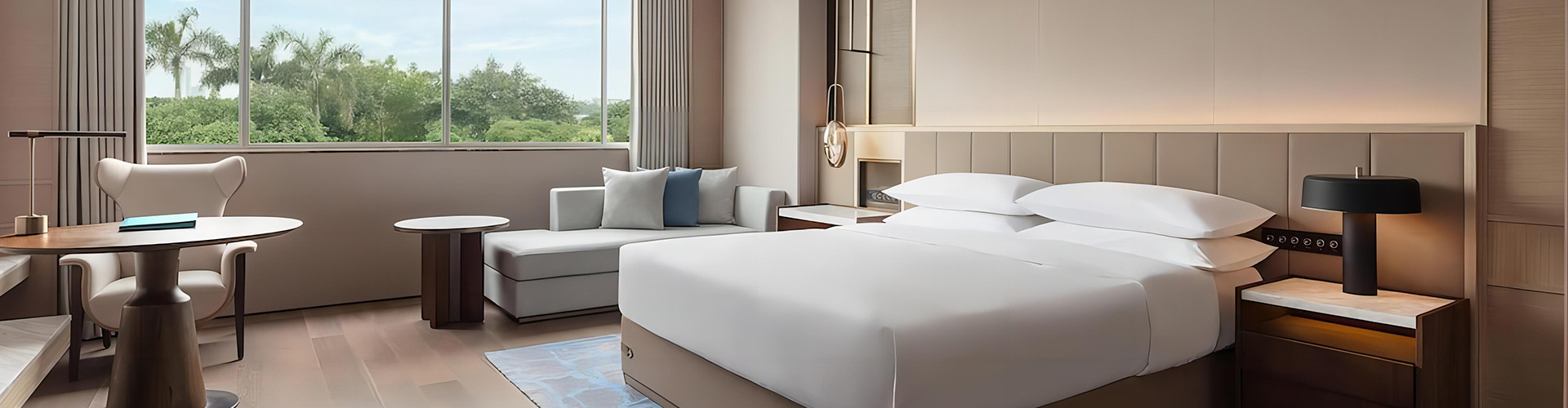
Tips for Integrating Indoor and Outdoor Hotel Spaces
Views: 0 Author: Site Editor Publish Time: 2025-01-03 Origin: Site


In the competitive world of hospitality, creating a seamless blend between indoor and outdoor spaces is not just a design choice but a strategic imperative. This integration enhances the guest experience, offering a unique blend of comfort, luxury, and connection to nature. As we delve into the key tips for achieving this harmonious balance, we highlight how thoughtful design can transform hotel spaces, making them more inviting and memorable.
The importance of indoor-outdoor integration in hotels
The integration of indoor and outdoor spaces in hotels has become a pivotal aspect of modern hospitality design. This trend is not merely about aesthetics; it’s a strategic approach to enhancing the overall guest experience. By creating seamless transitions between indoor and outdoor areas, hotels can offer guests a unique blend of comfort, luxury, and a connection to nature that is increasingly sought after in today’s travel landscape.
Understanding guest preferences is crucial in this context. Modern travelers are looking for more than just a place to stay; they seek experiences that resonate with their lifestyle and values. The integration of indoor and outdoor spaces caters to this demand by providing environments that are both relaxing and invigorating. Guests can enjoy the tranquility of outdoor spaces while having easy access to the comforts of indoor amenities. This blend not only enhances the aesthetic appeal of the hotel but also enriches the guest experience, making it more memorable and enjoyable.
Moreover, the strategic integration of these spaces can significantly boost a hotel’s marketability. In an era where online reviews and social media play a critical role in shaping a hotel’s reputation, properties that successfully blend indoor and outdoor experiences often receive higher ratings and more positive feedback. This, in turn, translates into increased bookings and a stronger brand presence in the competitive hospitality market.
Key design elements for seamless transitions
Creating a seamless transition between indoor and outdoor spaces in hotels requires careful consideration of various design elements. These elements are crucial in ensuring that the flow between the two environments is not only visually appealing but also functional and comfortable for guests.
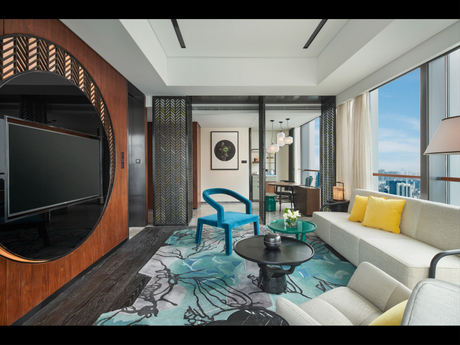
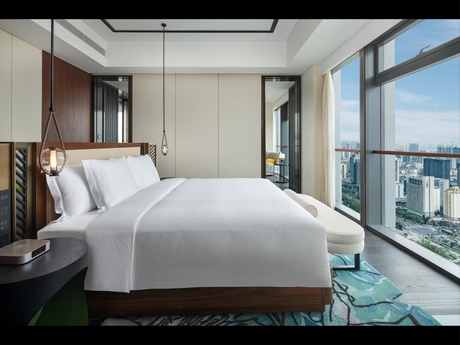
Architectural features play a significant role in this integration. Large glass doors and windows are increasingly used to connect indoor spaces with outdoor areas. These features not only allow natural light to flood the indoor spaces but also provide unobstructed views of the outdoors, making guests feel more connected to nature. Additionally, the use of retractable walls or doors can create a fluid transition, allowing spaces to be opened up during pleasant weather and closed off when necessary.
Landscaping is another critical element. Thoughtfully designed outdoor spaces that complement the indoor environment can create a harmonious balance. This could include gardens, terraces, or balconies that are easily accessible from indoor areas. The choice of plants and outdoor furniture should be in line with the hotel’s overall aesthetic and should provide a comfortable and inviting space for guests to relax and unwind.
Spatial flow and layout are equally important. The arrangement of indoor and outdoor spaces should encourage movement between the two areas. For instance, placing outdoor dining areas adjacent to indoor lounges can encourage guests to move outside for a meal or a drink. Pathways, whether they are tiled, wooden, or landscaped with grass, should guide guests naturally from one space to another, creating a sense of continuity.
Lastly, the use of color and materials can significantly enhance the indoor-outdoor connection. Choosing colors that reflect the natural surroundings can help to blur the lines between the two spaces. Similarly, using materials that are consistent with both indoor and outdoor areas can create a cohesive look and feel.
Selecting the right materials and furniture
When it comes to integrating indoor and outdoor spaces in hotels, the selection of materials and furniture is paramount. These choices not only impact the aesthetic appeal of the spaces but also play a crucial role in ensuring durability, comfort, and functionality.
Durability is a key consideration when choosing materials for outdoor spaces. Unlike indoor environments, outdoor areas are exposed to various weather conditions, including rain, sun, and wind. Therefore, materials such as teak wood, which is naturally resistant to water and insects, or synthetic rattan, known for its durability and ease of maintenance, are popular choices. Metal furniture, often treated with powder coating to prevent rust, is also a common option for outdoor settings.
Comfort is another critical factor. Outdoor furniture needs to provide the same level of comfort as indoor pieces. This is where the choice of cushions and upholstery comes into play. Fabrics like Sunbrella, which are designed to withstand outdoor conditions while providing comfort, are increasingly used in hotel outdoor furniture. These materials not only resist fading from the sun but also repel water, making them ideal for outdoor use.
In addition to durability and comfort, the aesthetic appeal of the materials and furniture is equally important. The furniture should complement the overall design of the hotel, creating a cohesive look between indoor and outdoor spaces. For instance, if the hotel has a modern design, sleek metal and glass furniture might be appropriate for the outdoor areas. Conversely, a hotel with a more traditional design might opt for wooden furniture with classic lines.
Furthermore, the choice of materials should also consider the hotel’s location and the surrounding environment. In coastal areas, for example, materials that can withstand saltwater and sand are essential. In contrast, hotels located in colder climates might prioritize materials that provide warmth and can withstand snow and ice.
Lastly, sustainability is becoming an increasingly important factor in material selection. Many hotels are now opting for eco-friendly materials, such as reclaimed wood or recycled metal, for their outdoor furniture. This not only helps in reducing the hotel’s carbon footprint but also appeals to the growing number of environmentally conscious travelers.
Case studies: successful integration in leading hotels
Examining real-world examples of successful indoor-outdoor integration in hotels provides valuable insights and inspiration for other properties. These case studies highlight the innovative approaches taken by leading hotels to create seamless transitions between their indoor and outdoor spaces.
One notable example is the Four Seasons Resort in Bali. The resort expertly integrates its indoor and outdoor spaces through the use of large glass doors that open up to stunning views of the ocean and the surrounding landscape. The use of local materials, such as bamboo and volcanic stone, not only enhances the aesthetic appeal but also creates a sense of harmony with the natural environment. The outdoor spaces, including private pools and garden lounges, are designed to provide guests with a luxurious yet natural experience.
Another inspiring case is the Alila Villas Uluwatu in Bali, Indonesia. This hotel takes indoor-outdoor integration to the next level with its villas that feature open-air living spaces. The use of retractable roofs allows guests to enjoy the stars at night or close off the space for privacy. The design also incorporates natural elements, such as water features and lush landscaping, which further blurs the lines between indoor and outdoor environments.
The Standard Hotel in Miami Beach is another excellent example. The hotel’s rooftop pool area is seamlessly connected to the indoor bar and lounge, creating a vibrant social space. The use of colorful outdoor furniture and lush greenery creates a tropical oasis that is both inviting and relaxing. The hotel also incorporates outdoor terraces and balconies in its guest rooms, providing guests with their own private outdoor retreats.
These case studies demonstrate the importance of thoughtful design and material selection in creating successful indoor-outdoor integrations in hotels. They also highlight the potential for these integrations to enhance the overall guest experience, making the hotel more appealing and memorable.
Conclusion
The integration of indoor and outdoor spaces in hotels is a trend that is here to stay. As we have explored, this integration is not just about aesthetics; it is a strategic approach to enhancing the guest experience and creating a unique selling proposition in a competitive market.
By understanding guest preferences and leveraging key design elements, hotels can create spaces that are not only visually appealing but also functional and comfortable. The selection of the right materials and furniture is crucial in ensuring that the outdoor spaces are as inviting as the indoor ones.
Real-world examples from leading hotels demonstrate the potential of indoor-outdoor integration to elevate the guest experience. These case studies provide valuable insights and inspiration for other properties looking to enhance their design.
In conclusion, the seamless integration of indoor and outdoor spaces is a powerful tool for hotels to differentiate themselves and create memorable experiences for their guests. As the hospitality industry continues to evolve, this trend will undoubtedly play a significant role in shaping the future of hotel design.
Related Articles-
 14 May,2025
 -
 14 May,2025
 -
How to Pack Furniture for Climate-Controlled Storage
16 May,2025 -
How To Prepare Furniture for Long-Distance Moving
16 May,2025 -
How to Choose Furniture for a Bathroom: A Complete Guide
19 May,2025 -
How to Clean Faux Leather Furniture
19 May,2025 -
How To Remove Blood From Furniture?
21 May,2025 -
How to purchase one-stop fixed furniture in China
03 January,2025 -
The importance of hotel furniture in the entire hotel project
03 January,2025 -
Apartment Hotel Trends in 2024: What You Need to Know
03 January,2025

-


